

The original webtoon got yanked entirely from North American platforms over racist content, and even in Korea, the problematic chapters were deleted while the series went on indefinite hiatus. So when news broke that this webtoon was getting a Netflix adaptation, the reaction wasn’t hype — it was straight-up alarm. The actor who was first offered the lead role backed out after fan backlash, and teacher advocacy groups actually issued statements demanding the show get pulled entirely. And yet… when “Chamegyoyuk” (also known as “Delinquents in the Uniform” or “Punishment”) finally dropped, it shot to #1 globally in Non-English TV within three days and later climbed to #2 in Netflix’s overall global TV rankings. People are already calling it “the next Squid Game.” So what on earth is going on here? 👀
📌 The Confirmed Facts
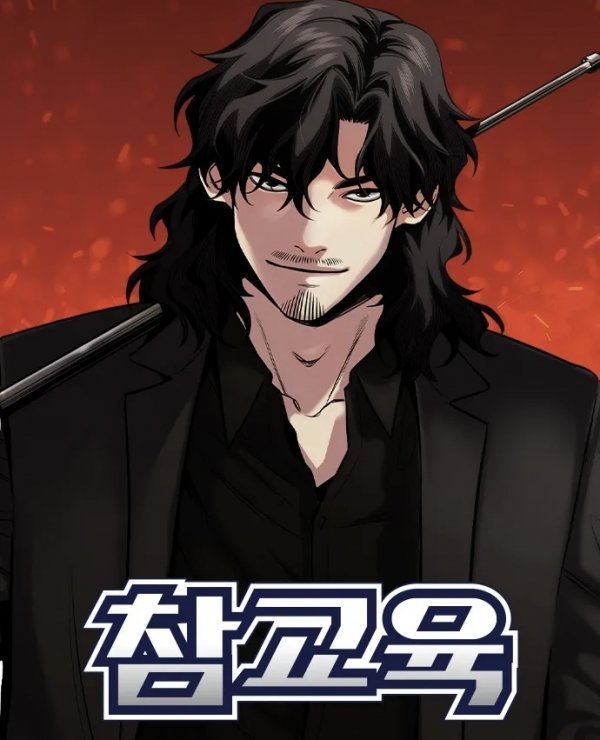
- Netflix’s “Chamegyoyuk” is a 10-episode series that dropped on June 5, 2026, based on the webtoon of the same name by writer Chae Yong-taek, which began serialization on Naver Webtoon back in November 2020.
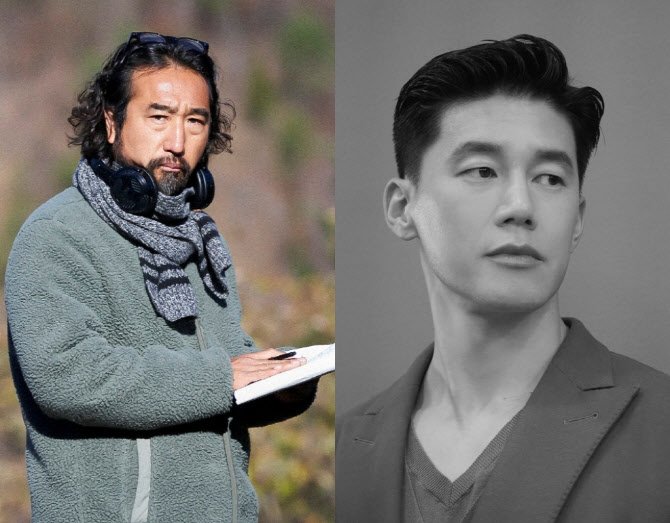
- Director Hong Jong-chan — known for “Juvenile Justice,” “Her Private Life,” “Dear My Friends,” and “Mr. Plankton” — helmed the project, with the script co-written by Lee Nam-gyu, Kim Da-hee, and Moon Jong-ho.
- The original webtoon was pulled from North American platforms over racist depictions, and in Korea, specific chapters were deleted before the series went on extended hiatus. It also drew criticism for sexism and misogyny, including scenes glorifying violent “punishment” of a feminist teacher.
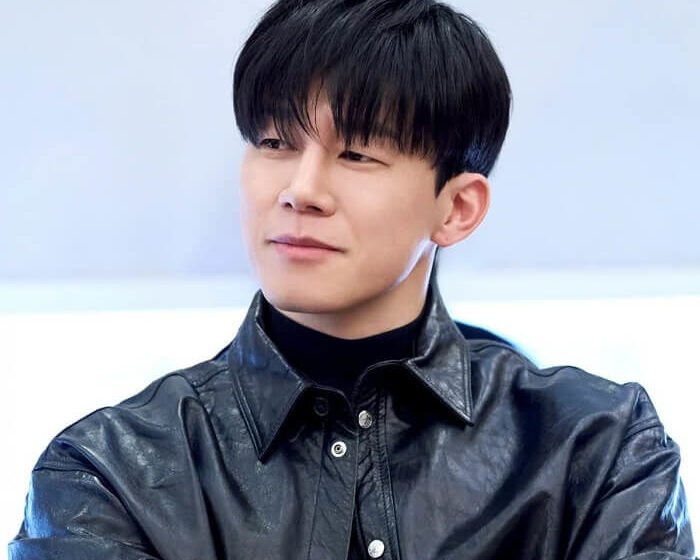
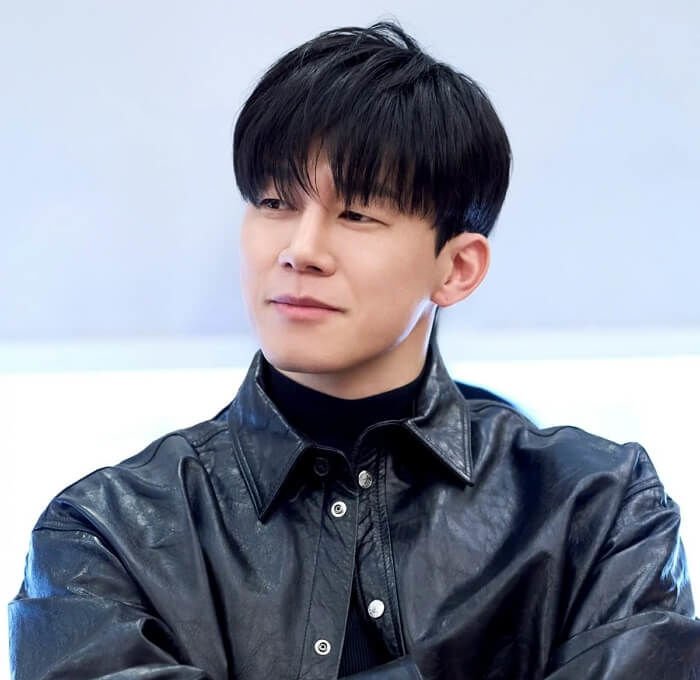
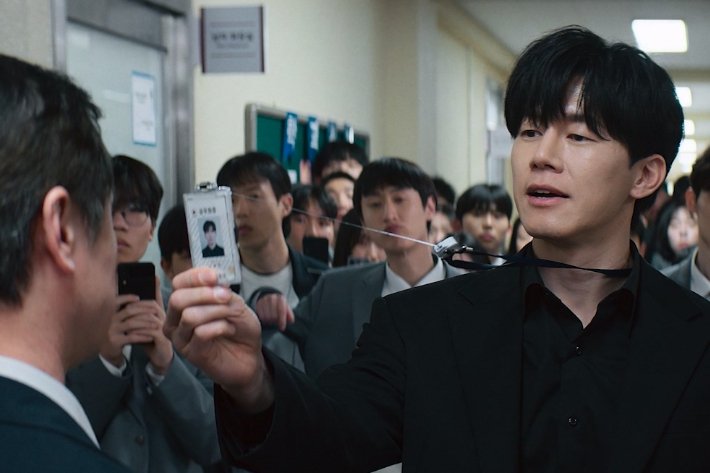
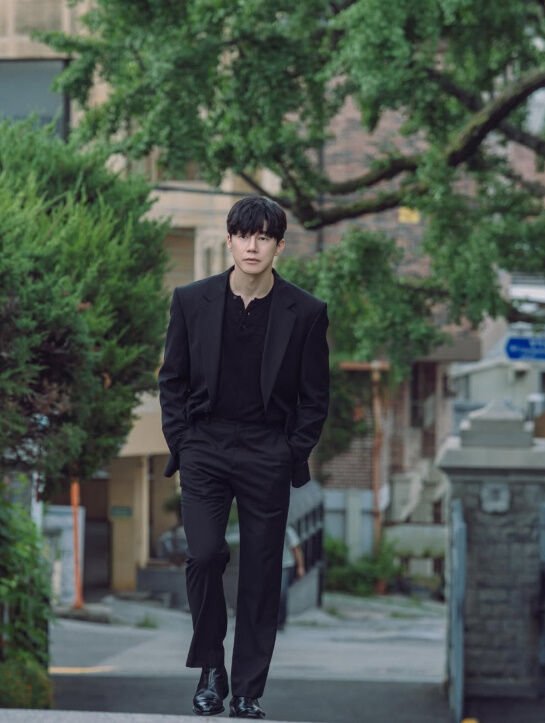
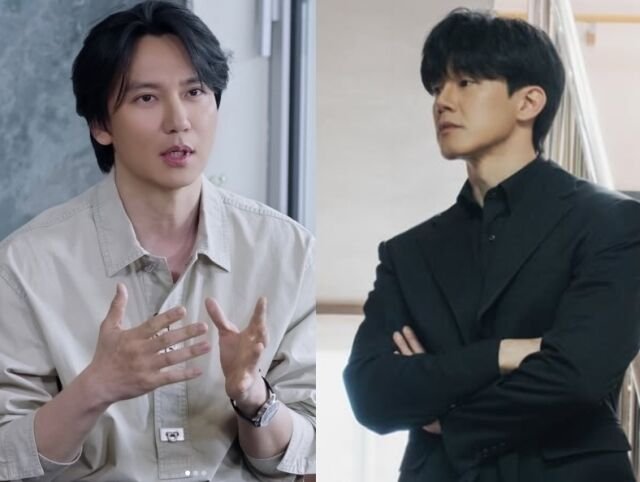
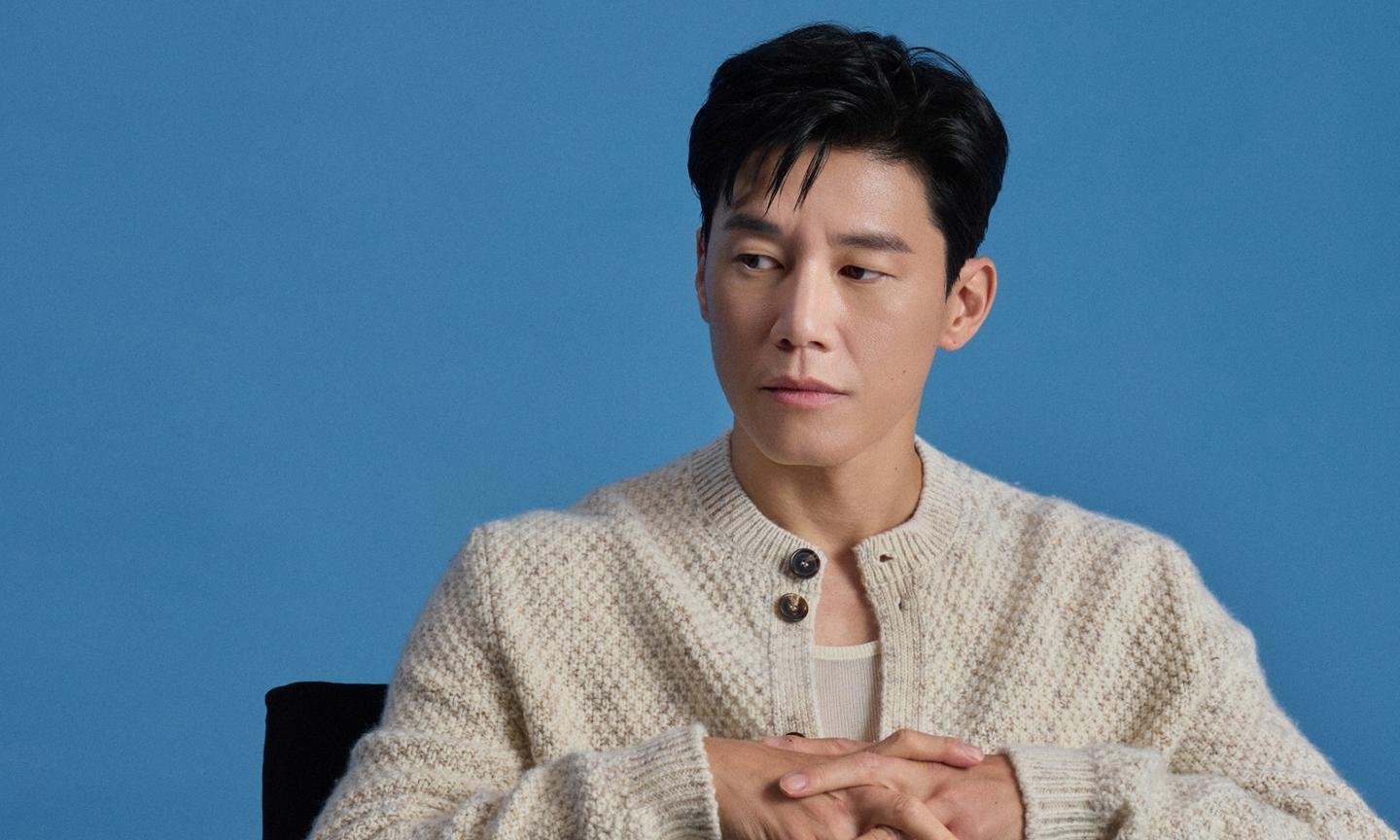
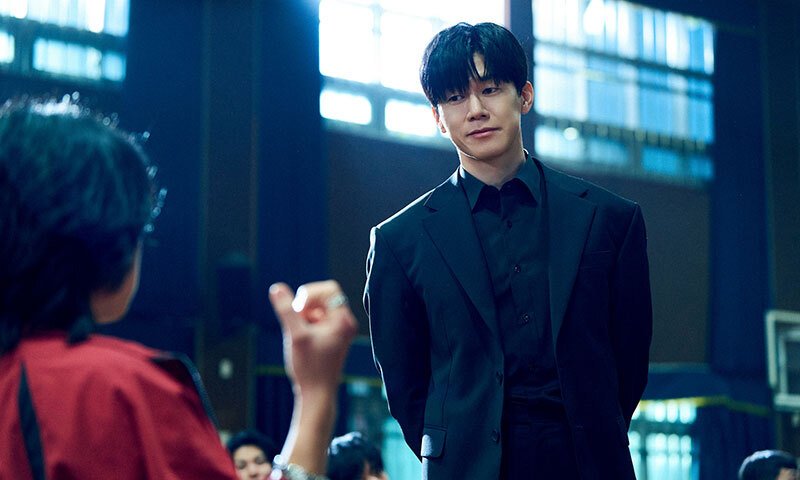
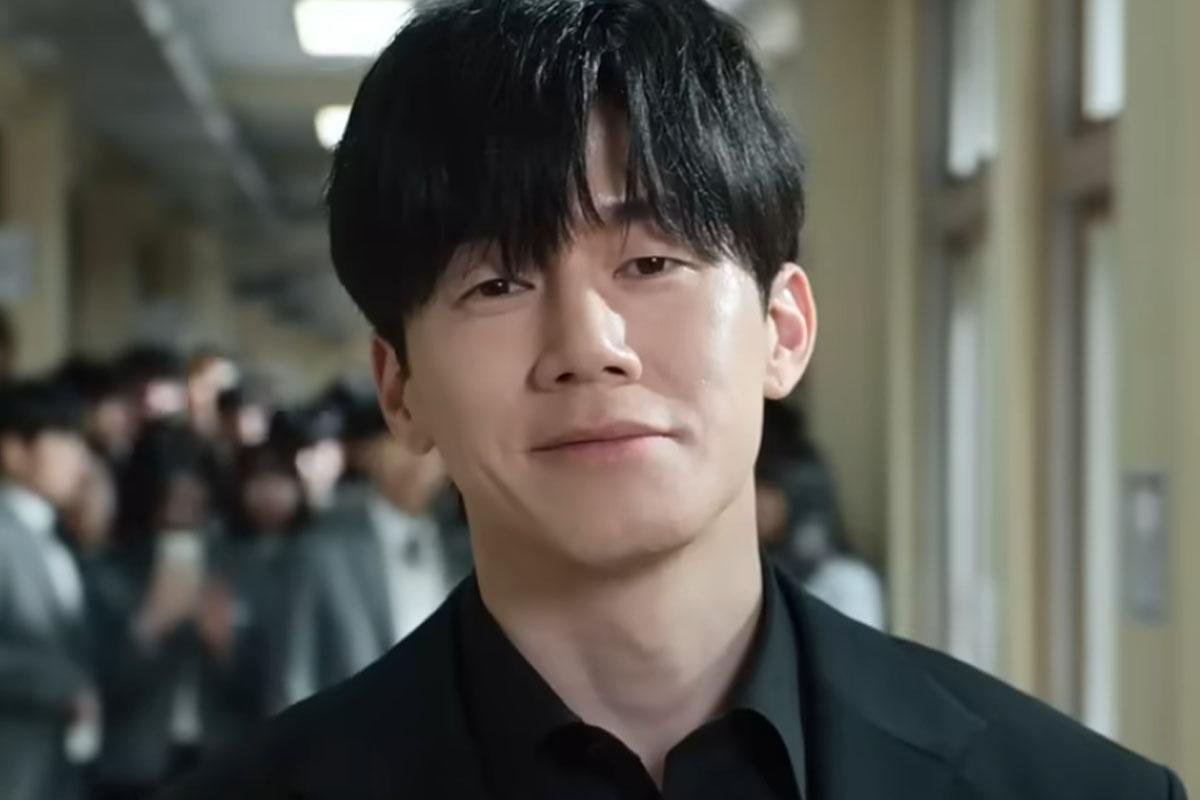
- Lead role Na Hwa-jin was originally offered to Kim Nam-gil, who ultimately declined after fans issued statements opposing his casting. The role eventually went to Kim Moo-yeol.
- Teacher unions, including the Korean Teachers and Education Workers Union, demanded Netflix halt production and release, arguing the show “glorifies violence as justice.” Netflix responded that they had removed problematic elements from the source material and adapted it “responsibly.”
- Actor Song Young-kyu, who played lawmaker Ryu Gwang-pil, passed away during the editing process — making this his final work. 🙏
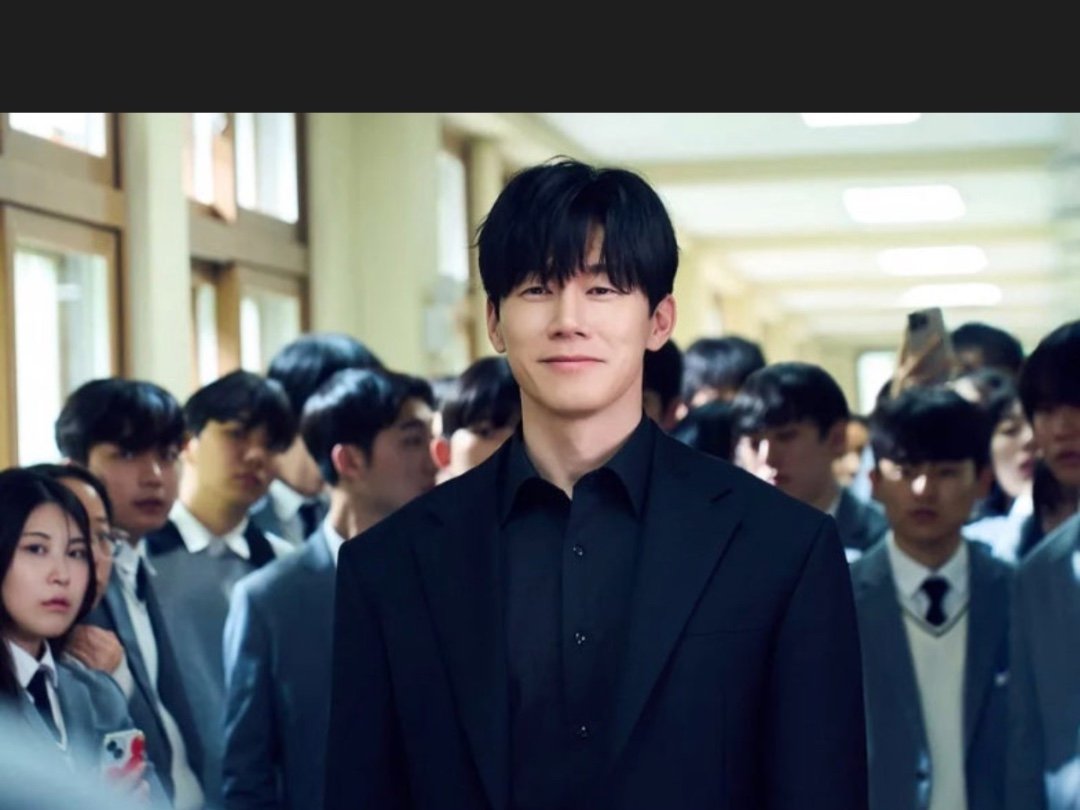
- The plot follows agents of a fictional government agency called the “Education Rights Protection Bureau,” created to fix broken teacher authority and student rights issues, in an omnibus format where each episode tackles a different school.
- The show tackles school violence, teen gang culture, social media mob justice, exam leaks, entitled parents, and teen drug use — earning it a mature rating.
- After release, it hit #1 globally in Non-English TV and #2 in Netflix’s overall global TV chart.
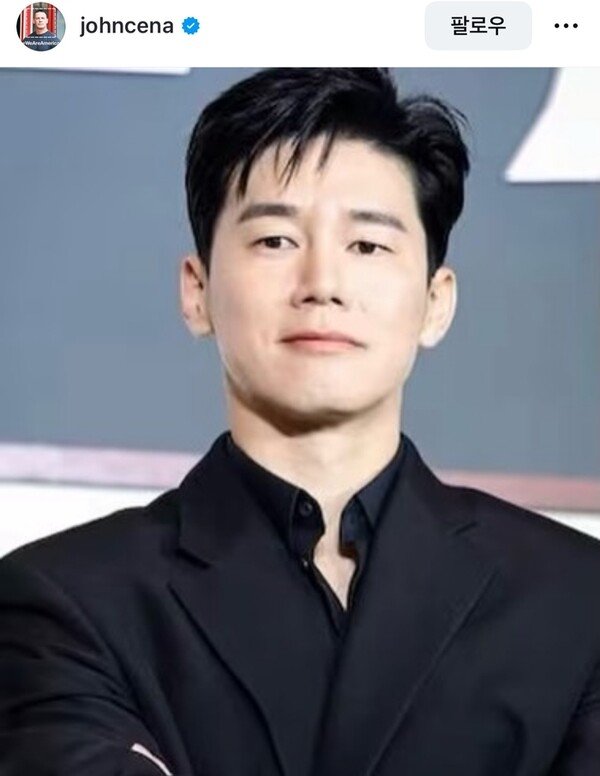
- International fans nicknamed Kim Moo-yeol the “Korean John Cena” — and John Cena himself reposted his photo on Instagram, sending the internet into a frenzy. 🔥
🔍 Where Opinions Split
| Perspective | Details |
|---|---|
| Critical Take | Even though Netflix claims to have cut controversial elements, critics point out the violence is still intense starting from episode 1-2, and argue the deeper issue is a culture that consumes vigilante punishment as pure “catharsis” without question. Some also criticize scenes where the lead single-handedly takes down entire gangs as unrealistic and over-the-top. |
| Popular Enthusiasm | Many viewers say it delivers a powerful catharsis — a “wish-fulfillment narrative” that finally executes justice the real world can’t. For audiences frustrated by endless news about broken education systems, this “revenge fantasy” hits different, and this is currently the dominant sentiment. |
| Social Concerns | Education groups argue the show dresses up violence as “righteous punishment” and normalizes rights violations. Despite its mature rating, reviews claiming it’s “watchable for students, parents, AND teachers alike” have raised concerns about copycat behavior. |
| Global Fan Reaction | International reaction to Kim Moo-yeol’s action scenes and character has been electric. The “Korean John Cena” nickname went viral after Cena himself responded, amplifying buzz even further — and the global chart placement alone is fueling “next Squid Game” speculation. |
❓ Questions International Fans Are Asking
Q1. Why was the original webtoon such a huge controversy?
A1. Racist depictions demeaning people of color led to it being pulled from North American platforms entirely, and in Korea, specific chapters were deleted before it went on long-term hiatus. It also faced backlash for sexism and misogyny, particularly a scene depicting violent “punishment” of a feminist teacher in a celebratory light.
Q2. Is it true a different actor was almost cast in the lead?
A2. Yes! Kim Nam-gil was originally in talks for the lead role, but after fans issued statements opposing his casting due to the source material’s controversies, he ultimately turned it down. Kim Moo-yeol took over the role of Na Hwa-jin instead — and honestly, after the show dropped, many are calling this casting swap a total blessing in disguise. 😅
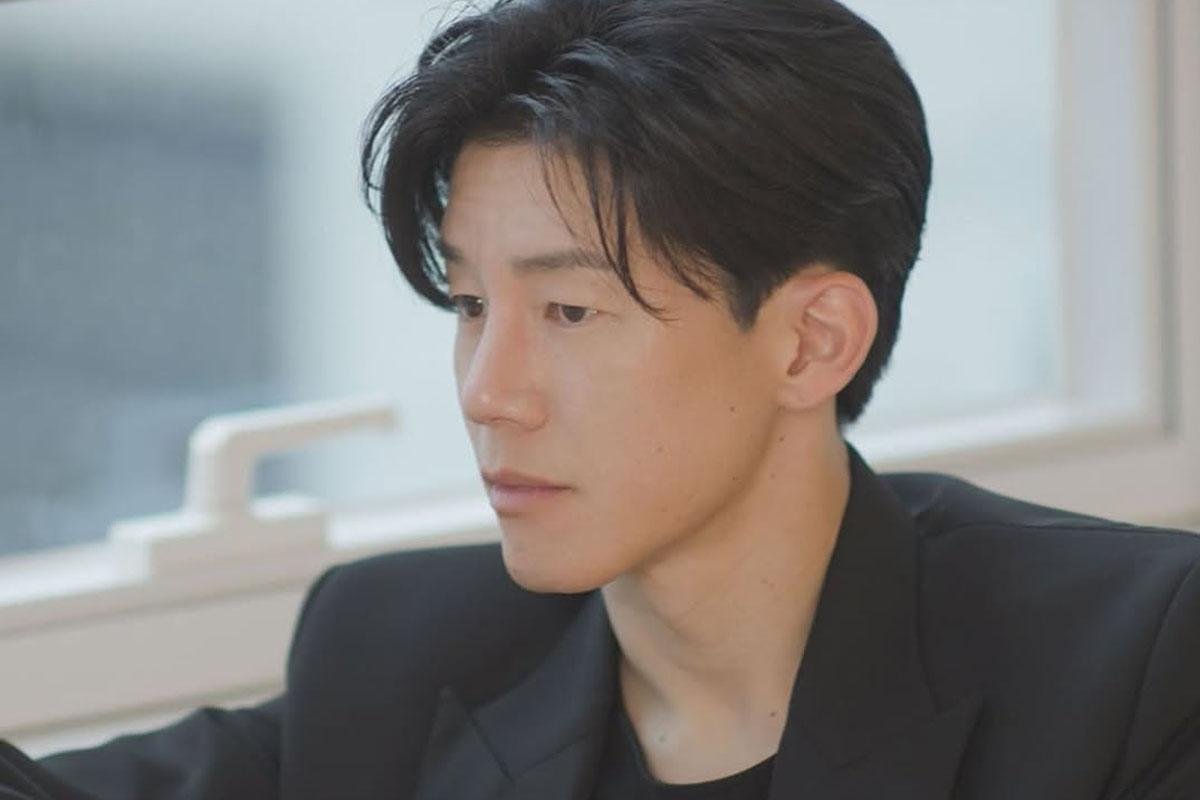
Q3. Is the “Education Rights Protection Bureau” a real organization?
A3. Nope, it’s completely fictional! It’s a made-up government agency created for the drama’s storyline, established to address broken teacher authority and student rights issues. The story unfolds in an omnibus format, with agents visiting a different school to solve problems in each episode.
💡 Editor’s Take
What makes “Chamegyoyuk” so fascinating is how the original’s biggest “flaws” somehow flipped into the drama’s biggest talking points. The webtoon’s history of being effectively banned over racism and misogyny, the lead actor backing out not once but arguably twice, education groups demanding a full halt — literally every piece of pre-release news pointed toward “boycott material.” But once it actually dropped, viewers didn’t bother fact-checking how much of the controversial content was actually removed — they went straight for the satisfying action and revenge-fantasy thrill instead. This is a case study in how production quality and star power can completely paper over a source material’s ethical baggage, while simultaneously revealing just how low the bar has become for what counts as “responsible adaptation.” Given that critics are still flagging high violence levels even after Netflix’s claimed edits, this controversy probably isn’t fully dying down anytime soon. That said, it’s worth noting that the global ranking success and Kim Moo-yeol’s meme-ified popularity suggest that international audiences are largely consuming this as a “satisfying K-action drama” without much awareness of the domestic controversy context at all. Regardless of whether a season 2 happens, this show is likely to become a reference case for other studios weighing whether to adapt controversial webtoons for the screen. 📺
💬 How Korean Audiences Are Reacting
Viewer reviews show a pretty clear divide. Most people are enjoying the vigilante justice as pure catharsis, but there’s also a vocal group pushing back, arguing that beating up the bad guy doesn’t actually erase the victim’s trauma — and worrying that the show only emphasizes the “satisfying” part. Despite its mature rating, reviews claiming it’s appropriate viewing for students, parents, AND teachers alike have sparked concern about copycat behavior too. Meanwhile, international fandom seems overwhelmingly positive, largely thanks to the “Korean John Cena” nickname buzz and the real John Cena’s reaction to Kim Moo-yeol going viral. 🌏
Source: https://blog.naver.com/PostView.naver?blogId=hyunjee1110&logNo=224308120354
Related Stories
- 15 Years Later, Spellbound Returns as a Spine-Chilling Romance Between a Chaebol Heiress and a Prosecutor — Here’s Why
- “Rope Around His Neck, Walking Into a Pond?!” Netflix’s <Dong Gung> Drops Nam Joo-hyuk X Jo Seung-woo Stills and Fans Are LOSING IT 😱
- Ha-young’s Pro-Japanese Ancestry Controversy Highlights Stark Contrast with Descendants of Korean Independence Activists
- Netflix K-Drama Love Me to Death: Jung Hae-in’s Fierce Devotion Meets Ha-young’s Infectious Charm! 😍