
Ha-young’s Pro-Japanese Ancestry Controversy Highlights Stark Contrast with Descendants of Korean Independence Activists

A recent family background controversy surrounding a rising South Korean actress has sparked a massive debate, raising compelling questions about how history shapes reputations in the Korean entertainment industry. Ha-young found herself at the center of a storm after historical records revealed her great-grandfather’s involvement in pro-Japanese activities during the Japanese colonial era. This scandal has drawn intense public scrutiny, especially as it creates a sharp contrast with other celebrities who proudly descend from revered Korean independence activists. 🎬
The whole mess kicked off in early August. During a broadcast appearance, Ha-young proudly discussed her family background, claiming that her great-grandfather opened Seoul’s (then Hanyang) very first Western-style hospital after studying abroad in Japan. She even emphasized that he treated Emperor Gojong and boasted about coming from a “four-generation lineage of doctors.” It was meant to paint her family as pioneers in Korean medical history. 🩺
However, right after the broadcast aired, eagle-eyed netizens pointed out that her great-grandfather, Ahn Sang-ho, was actually listed as a council member of the Daejeong Chinmokhoe in 1916—a notorious pro-Japanese organization composed of Joseon’s elite. To put its nature into perspective, this was a group whose advisors included Lee Wan-yong, one of the infamous Eulsa Traitors who signed the annexation treaty. 👀
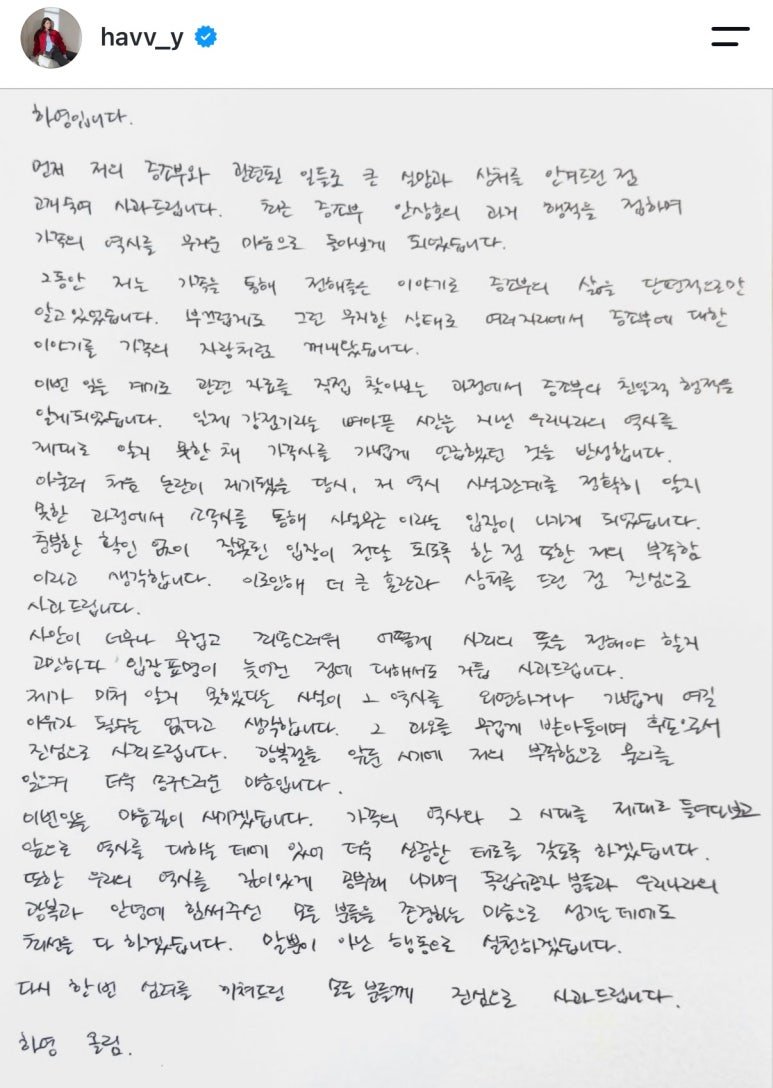
At first, Ha-young‘s agency came out swinging with a hardline stance. They released an official statement admitting that Ahn Sang-ho was indeed her great-grandfather, but flatly denying any pro-Japanese activities. But that defense didn’t even last 24 hours. As more irrefutable historical documents surfaced and public backlash intensified, the agency completely reversed its position and issued a public apology, finally admitting that Ahn’s name was indeed on that dark list. 💔
“We sincerely apologize for causing confusion by hastily dismissing the claims as baseless without thorough verification,” the agency’s statement read, highlighting the gravity of the situation. This wasn’t just a minor celebrity gossip blip; it was a glaring moment that exposed just how deeply and sensitively Korean society treats historical accountability.
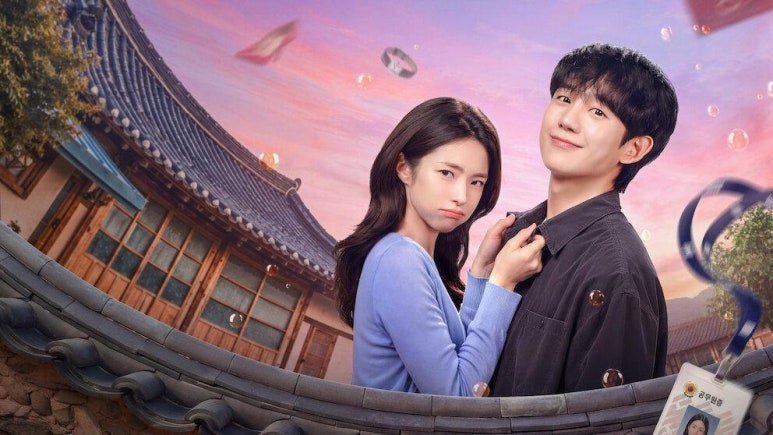
What makes this timing even more symbolic is when it all went down. The controversy exploded right before National Liberation Day (Gwangbokjeol), ultimately forcing the cancellation of Ha-young‘s promotional interviews for her upcoming Netflix series, Aema. Having a pro-Japanese historical scandal drop just days before a deeply patriotic holiday was bound to trigger massive blowback in South Korea. 🇰🇷
The Contrast: Celebrities Descended from Independence Fighters
Ha-young‘s scandal has become a massive talking point largely because it stands in stark contrast to other K-celebrities who carry the proud lineage of Korean independence fighters—and openly celebrate their heritage.
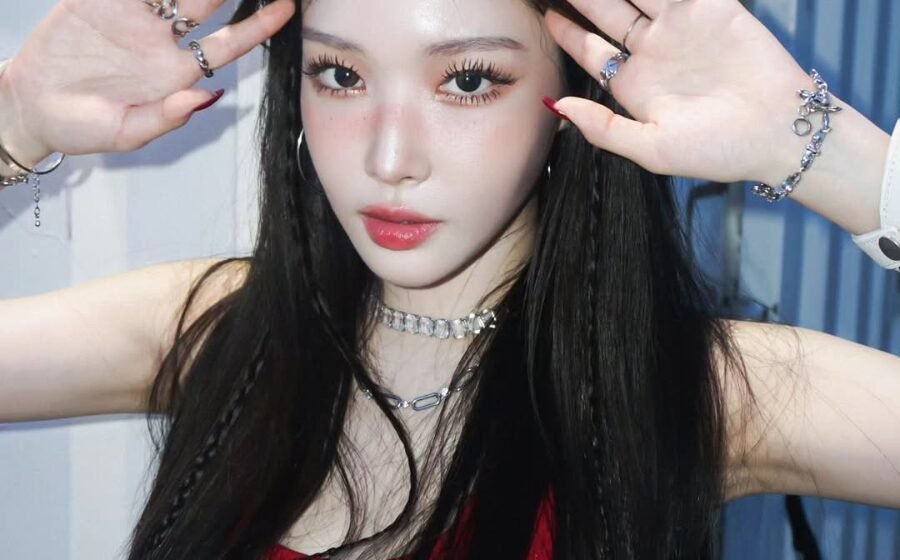
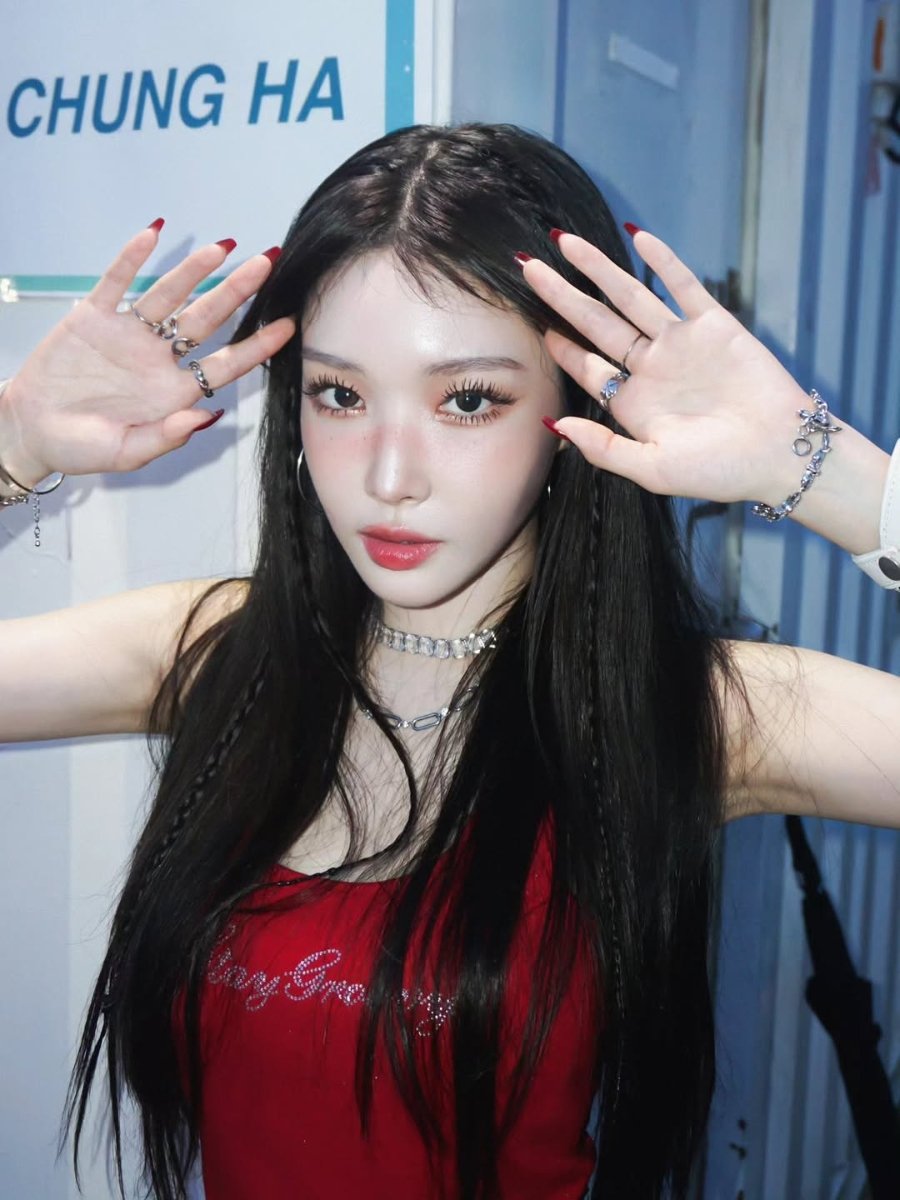
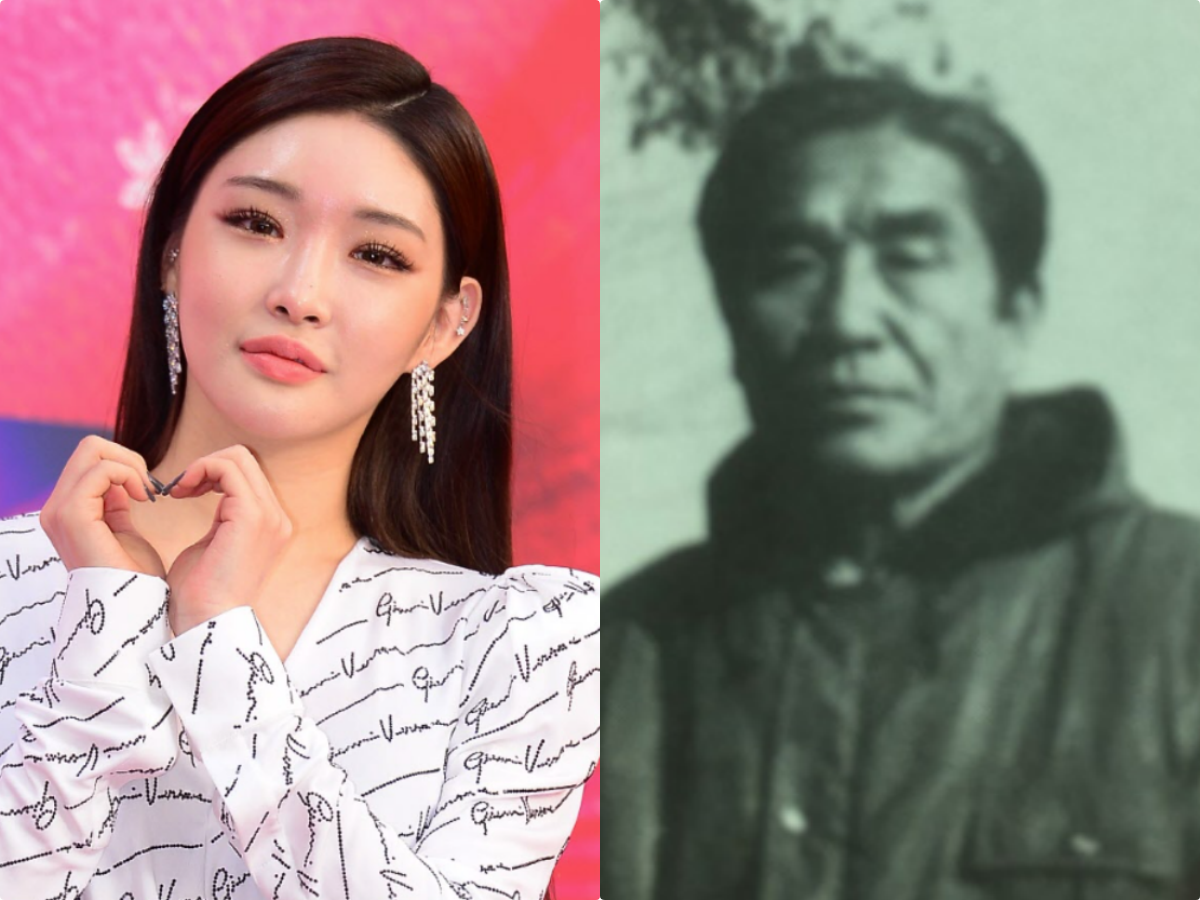
Take solo artist Chungha, for instance. Her maternal grandfather was Kim Yong-geun, a celebrated independence activist who bravely resisted forced Shinto shrine visits during the colonial occupation. He was imprisoned for his anti-Japanese resistance and later even fought in the Korean War. During a career hiatus, Chungha proudly shared that she passed the Level 1 Korean History Proficiency Test, explaining that her mother wanted her to honor her grandfather’s legacy by truly understanding Korea’s past. It’s a touching example of historical consciousness being passed down through generations. ✊
Then there’s Ichen of the group Modisey, who boasts an even more direct bloodline. His great-great-grandfather was Ahn Myeong-geun, the cousin of the legendary independence fighter Ahn Jung-geun, who famously assassinated Hirobumi Ito. The two relatives fought side by side against the colonial regime. Ichen has openly stated on broadcast, “I feel a profound sense of responsibility as a descendant of Ahn Jung-geun.”
Actor Kim Ji-seok is the grandson of Kim Seong-il, an independence fighter who operated in Manchuria, funneling intelligence and raising secret funds for the liberation army. Similarly, actress Han Soo-yeon revealed that her maternal great-grandfather was Righteous Army leader Kim Soon-oh, who suffered severe gunshot wounds all over his body during anti-Japanese skirmishes and eventually went blind because he couldn’t get proper medical treatment. These stories remind everyone that the fight for independence wasn’t just a textbook chapter—it was a brutal, flesh-and-blood sacrifice. 🕊️
Korean Society and Historical Awareness

Why did Ha-young‘s scandal cause such an absolute uproar? It boils down to how seriously South Korean society views its history. The Japanese colonial period remains the most painful era in modern Korean history, and public sentiment toward those who collaborated with the colonizers is fiercely unforgiving.
For Joseon elites to lend their names to pro-Japanese groups like the Daejeong Chinmokhoe was never seen as mere social networking. It was viewed as active collaboration that legitimized imperial rule and crushed the Korean spirit of resistance. Consequently, whenever such records come to light, the public reaction is swift and merciless.
Interestingly, the agency’s initial knee-jerk denial of “no factual basis” followed by a humiliating retraction highlights a major miscalculation. It shows they completely underestimated how explosive a celebrity’s family history is in modern Korea. In this entertainment landscape, an individual’s historical background is deeply intertwined with their public persona and career longevity. 📚
This incident also showcases the sheer speed of the digital age. Ha-young‘s TV appearance, the immediate digital sleuthing, the unearthing of archival documents, and the tidal wave of public opinion all happened in the blink of an eye. It’s a harsh wake-up call for public figures: you cannot sweep your family’s past under the rug anymore.
Diversity and Historical Education
On the flip side, this whole ordeal brings up a fascinating cultural divide. While descendants of independence fighters proudly wear their family history as a badge of honor, descendants of pro-Japanese collaborators naturally scramble to hide or deny it. This contrast proves just how heavily the past still weighs on modern Korean culture. 🤔
Just as Chungha used her grandfather’s legacy as motivation to ace her national history exam, many Korean stars leverage their heritage to foster historical awareness among the public. It transforms ordinary celebrity status into something much more meaningful.
Conversely, Ha-young‘s debacle proves just how impossible it is to bury historical truths in the internet age. In an era where citizens actively participate in digital archival checks, neither public figures nor their families can escape historical accountability.
Future Implications and Cultural Impact
The fact that this controversy hit right on the doorstep of Liberation Day carries immense symbolic weight. As Koreans commemorate their freedom from colonial rule every August 15th, they simultaneously hold public figures to an uncompromising moral standard regarding historical justice. This event proves that actions from a century ago can still instantly derail a modern celebrity’s career. ⏳
Another fascinating layer is the cancellation of press interviews for Ha-young‘s Netflix project. It proves that even global streaming giants are acutely sensitive to local cultural nuances and historical sentiments in South Korea. The international entertainment market is realizing that ignoring regional historical trauma is a massive misstep.
Ultimately, this scandal is a stark reminder of how vital historical identity is in South Korea. While the descendants of freedom fighters walk tall, carrying the shameful legacy of a pro-Japanese collaborator remains a career-ending burden. The past and present are inextricably linked, and this incident proves once and for all that history always trumps fleeting fame. 🏛️
At the end of the day, this case lays bare how South Korea remembers its past and the heavy accountability it demands from its public figures. In the digital age, the truth will always come to light. History reigns supreme over personal prestige, and this controversy has made that fundamental Korean cultural value crystal clear.
Source: https://www.bntnews.co.kr/article/view/bnt202608130078
Related Stories
- 15 Years Later, Spellbound Returns as a Spine-Chilling Romance Between a Chaebol Heiress and a Prosecutor — Here’s Why
- Why Kim Go-eun’s Blue Dragon Win Was a 100% Total Absolute No-Brainer! 🔥
- Kim Bu-jang Webtoon Ending Revealed—What Happens After Ji Sub Rescues His Daughter Will Blow Your Mind 😱
- tvN’s Spellbound Ratings SKYROCKET from 3% to 5.3% in Just One Episode — Park Eun-bin’s Triple Threat as Prosecutor, Heiress & Ghost Whisperer